Biography
Haitian Vodou Lab is a musical project dedicated to Haitian Vodou music and to preserving and promoting, through recorded music, a repertoire deeply rooted in Haiti's spiritual and musical traditions. Its work places songs, rhythms, and references to the lwa at the center while using contemporary digital platforms to make this heritage accessible to a wider audience.
The project became particularly active on digital music platforms in 2026, releasing numerous singles, EPs, and albums. Its repertoire is primarily associated with Haitian Vodou music, roots music, folk, and world music.
A repertoire deeply rooted in Vodou
Haitian Vodou Lab's musical identity is strongly connected to the vocabulary, spiritual figures, rhythms, and traditions associated with Haitian Vodou. Many titles directly reference lwa and spiritual families, including Papa Legba, Ogou, Damballah Wedo, Èzili, Simbi, Agwe, Gede, and Marasa.
Songs such as Papa Legba ouvè baryè pou lwa yo, Damballah Wedo Koman nou ye, Batay Pou Mwen Papa Ogou, Papa Simbi Pwen An Rele, and Marasa Gen Je Oh clearly demonstrate this spiritual and cultural orientation.
Several recordings are considerably longer than conventional popular songs. These extended performances provide greater space for vocals, percussion, repetition, invocation, and rhythmic development, elements frequently encountered in music connected to ceremonial and traditional Haitian practices.
Memory and tribute
Another important aspect of Haitian Vodou Lab's catalog is its attention to the memory of performers associated with Haitian roots and Vodou music.
Several recordings are explicitly presented as tributes. The album Ayibobo Samba, released in 2026, includes Lanmò Pa Konn Chwazi (Omaj a Samba Azor) and Wawa Kouraj O (Omaj a Samba Wawa). Other releases also refer to the preservation and remembrance of performers and musical traditions.
This gives Haitian Vodou Lab a dimension extending beyond the creation of new recordings. Part of the project can be understood as an effort to preserve, document, and transmit musical material connected to Haitian Vodou and the artists who have carried these traditions forward.
A prolific year in 2026
2026 represents a particularly active period in Haitian Vodou Lab's documented discography. Numerous recordings appeared throughout the year, ranging from individual singles to longer projects.
Among its documented albums are Ayibobo Samba, Vodouvi Rasanble, and Tchatcha Sakre vodou.
Ayibobo Samba is one of the project's substantial releases and contains ten tracks. Its repertoire includes Mpa Timoun Ki Ret Ak Moun, Jou Bare Mwen, Ouvè Baryè Pou Lwa Yo, Manbo (Wa Tande Yo Blese Nan Ponya Larèn), Papa Vodou Vini Non Lwam Nan, Lanmò Pa Konn Chwazi (Omaj a Samba Azor), Papa Legba Moun Yo Miwaze O, Wawa Kouraj O (Omaj a Samba Wawa), Kot Lanmò A Pranm Anterem La, and Samba Pote Chay O.
Creation and collaborators
Available recording credits also document several people associated with the project.
For Papa Simbi Pwen An Rele, released in 2026, Jonas Saurel is credited as a songwriter, Berthony Jeudi on percussion, and Patrice Saintilmè as co-producer, while Haitian Vodou Lab is credited as the primary artist.
Publicly available sources currently provide limited biographical information about the precise organizational structure of Haitian Vodou Lab. It therefore remains unclear whether Haitian Vodou Lab operates as a permanent group, a collective with changing participants, or a production project built around a particular creative core.
A contemporary musical archive
Through its extensive catalog, Haitian Vodou Lab contributes to the digital presence of a repertoire closely connected to Haitian culture and spirituality.
Songs dedicated to the lwa, extended musical performances, references to sambas, and tributes to performers such as Azor demonstrate an emphasis on keeping this musical heritage accessible to contemporary audiences.
The widespread use of Haitian Creole in song titles also helps preserve the language and vocabulary associated with this cultural universe. References to Legba, Ogou, Damballah, Gede, Simbi, Èzili, Marasa, and other spiritual figures form a recurring thread throughout the catalog.
Through albums, EPs, singles, extended performances, and tributes, Haitian Vodou Lab contributes to the documentation, preservation, and transmission of musical expressions deeply rooted in Haitian cultural heritage.
Genre: Haitian Vodou music / Roots / Folk / World
Primary language: Haitian Creole
Documented recording activity: 2026
Repertoire: Vodou songs, traditional music, tributes, extended performances
Themes: Lwa, spirituality, memory, tradition, cultural transmission
Primary artist: Haitian Vodou Lab
Documented collaborators: Jonas Saurel, Berthony Jeudi, Patrice Saintilmè
Documented 2026 albums: Ayibobo Samba, Vodouvi Rasanble, Tchatcha Sakre vodou
The project became particularly active on digital music platforms in 2026, releasing numerous singles, EPs, and albums. Its repertoire is primarily associated with Haitian Vodou music, roots music, folk, and world music.
A repertoire deeply rooted in Vodou
Haitian Vodou Lab's musical identity is strongly connected to the vocabulary, spiritual figures, rhythms, and traditions associated with Haitian Vodou. Many titles directly reference lwa and spiritual families, including Papa Legba, Ogou, Damballah Wedo, Èzili, Simbi, Agwe, Gede, and Marasa.
Songs such as Papa Legba ouvè baryè pou lwa yo, Damballah Wedo Koman nou ye, Batay Pou Mwen Papa Ogou, Papa Simbi Pwen An Rele, and Marasa Gen Je Oh clearly demonstrate this spiritual and cultural orientation.
Several recordings are considerably longer than conventional popular songs. These extended performances provide greater space for vocals, percussion, repetition, invocation, and rhythmic development, elements frequently encountered in music connected to ceremonial and traditional Haitian practices.
Memory and tribute
Another important aspect of Haitian Vodou Lab's catalog is its attention to the memory of performers associated with Haitian roots and Vodou music.
Several recordings are explicitly presented as tributes. The album Ayibobo Samba, released in 2026, includes Lanmò Pa Konn Chwazi (Omaj a Samba Azor) and Wawa Kouraj O (Omaj a Samba Wawa). Other releases also refer to the preservation and remembrance of performers and musical traditions.
This gives Haitian Vodou Lab a dimension extending beyond the creation of new recordings. Part of the project can be understood as an effort to preserve, document, and transmit musical material connected to Haitian Vodou and the artists who have carried these traditions forward.
A prolific year in 2026
2026 represents a particularly active period in Haitian Vodou Lab's documented discography. Numerous recordings appeared throughout the year, ranging from individual singles to longer projects.
Among its documented albums are Ayibobo Samba, Vodouvi Rasanble, and Tchatcha Sakre vodou.
Ayibobo Samba is one of the project's substantial releases and contains ten tracks. Its repertoire includes Mpa Timoun Ki Ret Ak Moun, Jou Bare Mwen, Ouvè Baryè Pou Lwa Yo, Manbo (Wa Tande Yo Blese Nan Ponya Larèn), Papa Vodou Vini Non Lwam Nan, Lanmò Pa Konn Chwazi (Omaj a Samba Azor), Papa Legba Moun Yo Miwaze O, Wawa Kouraj O (Omaj a Samba Wawa), Kot Lanmò A Pranm Anterem La, and Samba Pote Chay O.
Creation and collaborators
Available recording credits also document several people associated with the project.
For Papa Simbi Pwen An Rele, released in 2026, Jonas Saurel is credited as a songwriter, Berthony Jeudi on percussion, and Patrice Saintilmè as co-producer, while Haitian Vodou Lab is credited as the primary artist.
Publicly available sources currently provide limited biographical information about the precise organizational structure of Haitian Vodou Lab. It therefore remains unclear whether Haitian Vodou Lab operates as a permanent group, a collective with changing participants, or a production project built around a particular creative core.
A contemporary musical archive
Through its extensive catalog, Haitian Vodou Lab contributes to the digital presence of a repertoire closely connected to Haitian culture and spirituality.
Songs dedicated to the lwa, extended musical performances, references to sambas, and tributes to performers such as Azor demonstrate an emphasis on keeping this musical heritage accessible to contemporary audiences.
The widespread use of Haitian Creole in song titles also helps preserve the language and vocabulary associated with this cultural universe. References to Legba, Ogou, Damballah, Gede, Simbi, Èzili, Marasa, and other spiritual figures form a recurring thread throughout the catalog.
Through albums, EPs, singles, extended performances, and tributes, Haitian Vodou Lab contributes to the documentation, preservation, and transmission of musical expressions deeply rooted in Haitian cultural heritage.
Genre: Haitian Vodou music / Roots / Folk / World
Primary language: Haitian Creole
Documented recording activity: 2026
Repertoire: Vodou songs, traditional music, tributes, extended performances
Themes: Lwa, spirituality, memory, tradition, cultural transmission
Primary artist: Haitian Vodou Lab
Documented collaborators: Jonas Saurel, Berthony Jeudi, Patrice Saintilmè
Documented 2026 albums: Ayibobo Samba, Vodouvi Rasanble, Tchatcha Sakre vodou
Discography
3 results
 Nanm
Nanm
 Grégory Laforest
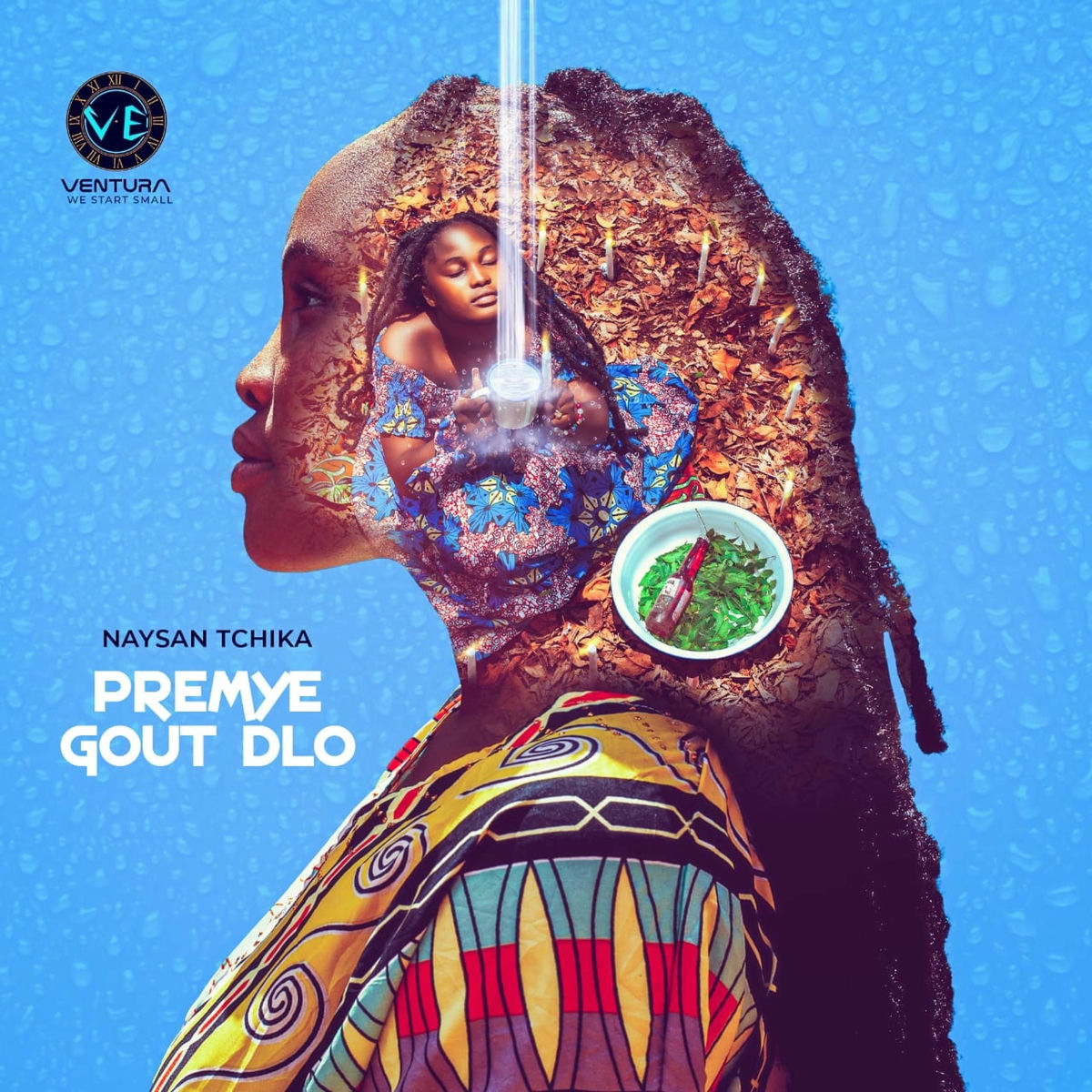 Naysan Tchika
 Boukman Eksperyans
 Erol Josue
 Mathilda Beauvoir
